ACIBADEM BODRUM HOSPITAL
Internal Medicine Specialist in Bodrum
Halil Ertürk, MD
Internal Medicine Specialist · Acıbadem Bodrum Hospital
As an Internal Medicine Specialist at Acıbadem Bodrum Hospital, I assess health concerns in adults and plan their diagnosis, treatment and follow-up. I consider your current symptoms, medicines and previous test results together, and select the investigations you need according to your individual circumstances.
Appointments & Contact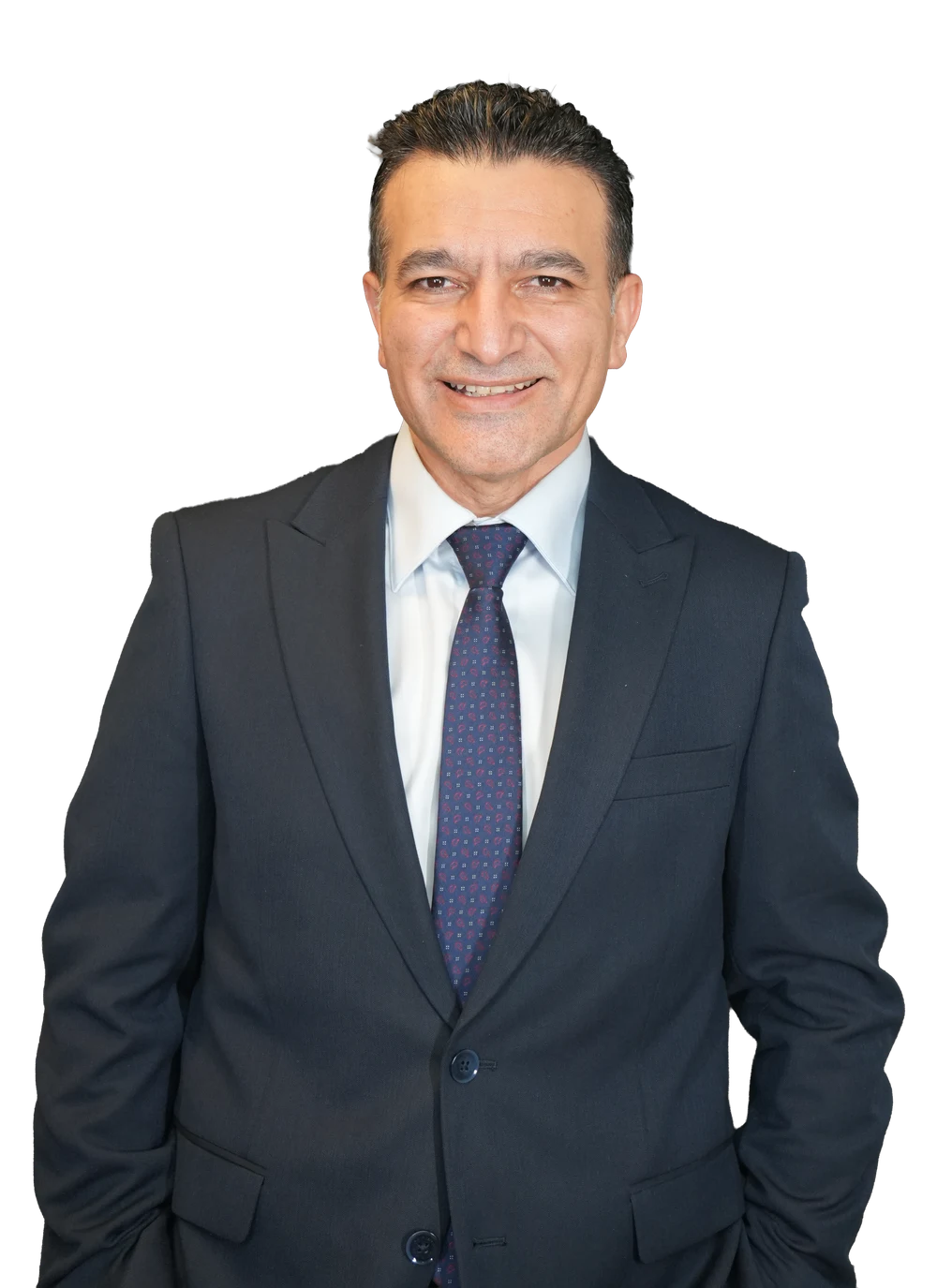
THE SPECIALTY
Are “dahiliye” and internal medicine the same specialty?
Yes. Dahiliye is another Turkish name for internal medicine. The specialty considers health problems affecting different organ systems in adults together, and covers diagnosis, treatment and long-term follow-up.
If you have more than one condition, or symptoms that could have different causes, it is important to assess all the findings together. Where necessary, assessment and follow-up are planned in collaboration with the relevant specialties.
WHEN TO SEEK ADVICE
Which symptoms can an internal medicine specialist assess?
Symptoms that seem unrelated may share an underlying cause. The concerns we address at a consultation include:
- Fatigue and general symptoms: Persistent tiredness, waking up tired, dizziness, unexplained fever, night sweats or unintentional weight loss.
- Weight and blood glucose: Difficulty losing weight, rapid weight gain, excessive thirst, frequent urination, sleepiness after meals, or recurrent feelings of hunger and shakiness.
- Heart and breathing: Palpitations, high or low blood pressure, breathlessness on exertion, a persistent cough, wheezing or swollen ankles.
- Digestion: Abdominal bloating and gas, heartburn, abdominal pain, constipation, recurrent diarrhoea, nausea or loss of appetite.
- Hormone-related symptoms: Intolerance of cold or heat, excessive sweating, hair loss, irregular periods, hot flushes or reduced sexual desire.
- Joints and immunity: Joint pain and swelling, morning stiffness, muscle aches, dry mouth and eyes, or frequent recurrent infections.
- Kidneys and liver: Foamy urine, changes in urine output, fluid retention, or yellowing of the skin or eyes.
These symptoms do not, by themselves, mean that you have a particular disease. Their duration, effect on your daily life, associated symptoms and examination findings are considered together. If you experience emergency symptoms such as sudden chest pain, significant breathlessness or fainting, do not wait for an outpatient appointment: call 112.
ASSESSMENT AND MONITORING
Which conditions are assessed and followed up?
Diabetes, metabolic health and weight management
I assess overweight and obesity alongside diabetes, prediabetes and insulin resistance. By considering nutrition, movement, sleep, medicines and coexisting conditions together, I plan weight management in the context of metabolic health and preserving muscle.
The thyroid, pituitary, adrenal glands and hormones
Alongside thyroid diseases, my clinical experience and areas of assessment include disorders of the pituitary and adrenal glands, and problems involving female and male hormones. I interpret symptoms and hormone test results in the context of age, stage of life, medicines and existing conditions.
In situations such as menopause or hormone deficiency, I consider treatment options, including bioidentical hormone replacement, in terms of individual suitability, expected benefits, risks and follow-up requirements. The term “bioidentical” does not, by itself, mean safer or suitable for everyone; individually compounded hormone preparations and licensed products are not assessed in the same way.
Cardiovascular health
In conditions such as hypertension, high cholesterol and heart failure, I focus on assessing blood pressure, fluid balance, kidney function, metabolic risks and medicines together. Where necessary, I plan treatment and follow-up jointly with cardiology.
Lung and respiratory diseases
I assess prolonged cough, breathlessness and respiratory infections alongside the effects that diseases such as asthma or COPD have on overall health. Respiratory assessment and any necessary coordination with other specialties are planned according to the examination findings.
The digestive system and SIBO
I assess the possible causes of reflux, changes in bowel habits, bloating, constipation and diarrhoea. Where clinically appropriate, small intestinal bacterial overgrowth (SIBO) may also be investigated. Not all bloating is SIBO, and the need for testing is determined by the individual’s findings.
Liver diseases
I consider fatty liver, raised liver enzymes and other liver problems in the context of metabolic health, medicines and supplements, infections and previous investigations. Treatment and monitoring are planned according to the cause identified.
Kidney diseases and fluid balance
I assess reduced kidney function, protein in the urine, fluid retention and electrolyte disorders. I review how diabetes, blood pressure and medicines relate to kidney health, and coordinate follow-up with nephrology where needed.
Autoimmune, rheumatic and immune system diseases
I investigate systemic causes when there are joint symptoms, recurrent fever, dryness, inflammatory findings affecting different organs or frequent infections. When an autoimmune or rheumatic disease is suspected, I consider the findings as a whole and, where needed, plan an assessment together with rheumatology or clinical immunology.
Anaemia, deficiencies and fatigue
In anaemia, iron or vitamin deficiency, and prolonged fatigue, I investigate the underlying cause rather than simply correcting a test value. Nutrition, blood loss, absorption problems, sleep and coexisting conditions guide the assessment.
Unresolved diagnoses and conditions affecting several systems
When symptoms remain unexplained despite different consultations, I bring previous assessments together and consider the possibility of rare diseases to the extent warranted by the clinical findings. For people with several chronic conditions, I assess treatments, drug interactions and follow-up priorities as a whole.
Investigations are selected according to the examination findings. The same test package is not used for everyone; where necessary, assessment and follow-up are carried out in collaboration with the relevant specialties.
THE FIRST VISIT
What happens at the first consultation?
We begin by discussing your reason for attending, your medical and family history, and the medicines you take. We review previous test results and decide whether further investigations are needed based on the physical examination and current findings.
We consider the results together and identify priorities for treatment, lifestyle habits and follow-up. The timing of your next appointment and the findings to monitor are determined by your individual assessment.
Where necessary, we liaise with cardiology, neurology, respiratory medicine, gastroenterology or other relevant specialists so that investigations and treatments proceed in a coordinated way.
At the end of the consultation, we clarify the problem, or the points that remain uncertain, the recommended treatment, and which medicines you should take, how to take them and for how long. We also discuss any complementary approaches considered appropriate, lifestyle recommendations, symptoms to monitor at home and the follow-up plan. My aim is for you to leave with your questions answered and a clear understanding of the next steps.
FROM DAILY LIFE TO FOLLOW-UP
How can digital health monitoring help?
Alongside consultations and tests, data collected in everyday life can also contribute to our follow-up plan. I assess which device and which measurements may be useful according to your health and the goals we set together.
- Continuous glucose monitoring (CGM): Systems that use a sensor under the skin to monitor glucose in interstitial fluid can, for suitable individuals, help assess glucose changes throughout the day and their relationship to meals, movement or treatment. The need for CGM and how the results will affect the treatment plan are determined individually.
- Smartwatches, rings and activity trackers: Depending on the device’s features, information such as activity, sleep patterns, resting heart rate and heart rate variability (HRV) can help us discuss trends over time. Rather than interpreting a single score or measurement as a diagnosis, we consider it alongside your symptoms and other findings.
- From data to a personalised follow-up plan: We select meaningful indicators, agree how often to review them and clarify how to update the plan in light of the results. If you already use a device, you can bring its reports to the consultation; you do not have to buy a new device.
Wearable devices differ in accuracy and in what they measure; their data do not replace clinical assessment. A CGM sensor and a watch’s or ring’s own measurements are not the same thing. We agree the method of sharing data and the timing of reviews together with the team.
PREPARING FOR YOUR VISIT
Which documents should you bring?
- Previous blood tests, imaging results and relevant reports.
- An up-to-date list of the medicines and supplements you take, including their names and doses.
- Any home blood pressure or blood glucose records you keep.
- Brief notes about when your symptoms began and the topics you would like to discuss.
You do not have to arrange tests in advance. Before your appointment, check with the team whether you need any special preparation, such as fasting. Rather than entering medical documents into a general contact form, discuss a secure sharing method with the team.
CONSULTATIONS IN BODRUM
How can you book an appointment at Acıbadem Bodrum Hospital?
You can find the available contact options on the Appointments & Contact page, or get information about a hospital appointment through my official Acıbadem physician profile.
Contact: WhatsApp: +90 544 482 96 48 · info@drhalilerturk.com
Acıbadem Bodrum Hospital
Müskebi Mahallesi 2716 No:11/A-B-C-D Bodrum / Muğla
Get directions to the hospital. For the current address and travel information, please see Acıbadem Bodrum Hospital’s official website.
These contact channels are not suitable for medical emergencies. In an emergency, call 112.
PROTECTING YOUR HEALTH
From internal medicine to healthy ageing
Alongside assessing and following up existing conditions, I also consider individual health risks and capacity in everyday life. My approach to preventive health and longevity aims to create a personalised, trackable plan based on your medical history, lifestyle habits and goals.
Explore the longevity assessment process in Bodrum (Turkish).
Prepared by: Halil Ertürk, MD · Internal Medicine Specialist
About the scope of the specialty: Ministry of Health — Internal Medicine (Dahiliye). About hormone therapy: ACOG — Hormone Therapy for Menopause. About SIBO: AGA — SIBO Assessment. About digital monitoring: NIDDK — Continuous Glucose Monitoring. This page provides general information; individual diagnosis and treatment are determined during a medical consultation.