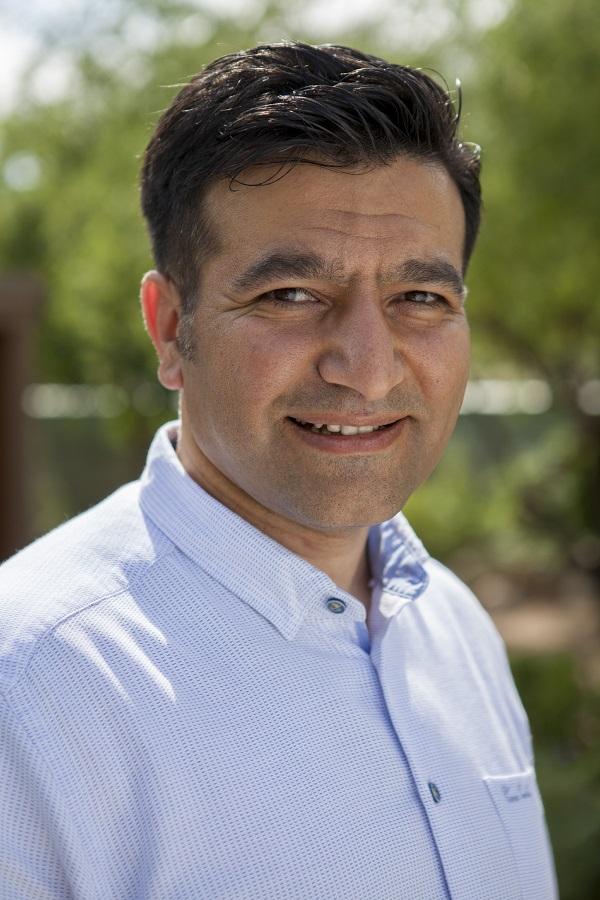
I completed my medical degree and specialist training in Internal Medicine at Gülhane Military Medical Academy in Ankara. Early in my career, I served on Turkish Navy ships and in military healthcare institutions. The experience I gained in these different settings laid the foundation for my approach: assessing patients not only through their current symptoms, but also in the context of their overall health, lifestyle, functional capacity and risks.
I currently see patients as an Internal Medicine Specialist at Acıbadem Bodrum Hospital.
Alongside my clinical work, I served as Health Programs Leader at Canyon Ranch Wellness Resort at Kaplankaya. There, I worked with specialists from different disciplines to develop and deliver personalised programmes covering health, nutrition, exercise, sleep and stress management. This period played an important role in bringing preventive health and lifestyle medicine together with my conventional internal medicine approach.
From internal medicine to longevity medicine
Internal medicine requires us to consider the relationships between metabolism, the cardiovascular system, the respiratory system, the digestive system, the kidneys, the thyroid, the immune system and chronic diseases. I believe this broad perspective is also one of the strongest clinical foundations for longevity medicine.
My interest in longevity began before the term became widely used, with a question: what can we do beyond treating disease once it has developed? Can a person’s future health risks be identified earlier? Can their muscular, cardiac, cognitive and metabolic capacity be measured before a clear disease develops? Can functions that are expected to decline with age be preserved, or even improved?
For more than 10 years, I have been developing my clinical approach around these questions, considering scientific advances, assessment methods and personalised intervention options alongside my internal medicine practice.
Healthy ageing does not simply mean the absence of a particular disease. Blood test results within reference ranges do not, on their own, show that someone is at their optimal level of health. Muscle strength, body composition, aerobic capacity, metabolic health, sleep quality, cognitive performance and the energy a person feels in everyday life are also important parts of a health assessment.
That is why my work focuses not only on diagnosing and treating existing diseases, but also on identifying future health risks early, monitoring measurable health indicators and improving physical and mental capacity.
A measurable approach to health, with outcomes that can be tracked
An increasing number of tests, biomarkers, supplements and treatment options are being offered in longevity medicine. But taking more measurements does not always mean making better decisions.
In my approach, what matters is identifying which measurement will change a clinical decision and being able to see, over time, whether an intervention is genuinely benefiting the individual.
To do this, depending on the person’s needs, I consider the following together in my assessments:
- Cardiometabolic risk markers
- Blood glucose and insulin metabolism
- Body composition, muscle mass and visceral fat levels
- Bone health
- Muscle strength and physical performance
- Aerobic capacity and VO₂max
- Sleep and recovery
- Brain health and cognitive function
- Measurements of biological age and the pace of ageing
I value a comprehensive assessment based on the person’s clinical condition, measurements, lifestyle and changes over time, rather than on a single laboratory result or biological age score.
My main areas of practice
My clinical work focuses particularly on:
- Longevity and healthy ageing programmes
- Early identification of future health risks
- Metabolic health, insulin resistance and prediabetes
- Weight management and preventing muscle loss during GLP-1 treatment
- Body composition, visceral fat and sarcopenia
- Muscle, strength and bone health
- Cardiovascular risk, exercise capacity and VO₂max
- Low energy, weakness and chronic fatigue
- Sleep health and recovery
- Brain health and cognitive performance
- Health management during perimenopause and menopause
- Respiratory diseases and COPD
- Personalised preventive health and check-up planning
- Assessment of biological age and the pace of ageing
- Scientific and clinical evaluation of regenerative medicine interventions
I see lifestyle interventions such as nutrition, exercise, sleep, stress management and smoking cessation not as a secondary part of treatment, but as fundamental components that shape long-term health outcomes.
My training in longevity and regenerative medicine
After completing my specialist training in Internal Medicine, I continued my professional development through training in longevity, stem cell applications and regenerative medicine. I have also completed training in ozone therapy and mesotherapy.
This training has helped me evaluate the biology of ageing, metabolic health, cellular renewal, regenerative interventions and new treatment approaches within a broader scientific framework. I regularly follow international scientific developments, clinical studies and safety data in longevity, stem cells and regenerative medicine.
I do not believe that training in these fields means every new intervention is suitable for every patient. What matters is selecting the right patient, understanding the level of evidence for an intervention, weighing its expected benefits against its potential risks, and maintaining a clear distinction between standard treatments and interventions that are still being researched.
A scientific and balanced approach to new treatments
Longevity and regenerative medicine are rapidly developing fields. New molecules, cellular therapies, peptides, exosomes, biological age tests and different performance-related interventions offer considerable research potential. However, scientific promise is not the same as proven clinical benefit and long-term safety.
When evaluating a new intervention, I therefore look beyond its theoretical mechanism to human studies, measurable clinical outcomes, safety data and whether the individual genuinely needs it.
I believe the difference between established treatments and emerging or experimental interventions should be clearly explained to the patient. My aim is not to use something simply because it is new, but to identify what is meaningful and safe for the individual, with outcomes that can be followed over time.
I am a member of the Turkish Society of Internal Medicine and the Turkish Sleep Medicine Society.
My philosophy of medicine
One of the most important things approximately 25 years in medicine have taught me is that there is no single test, single treatment or one-size-fits-all programme for health.
My aim is not only to treat disease once it develops. My core approach is to identify health risks as early as possible, measure the right indicators, plan the necessary interventions for each individual and follow the results over time.
Because the true goal of longevity is not simply to live longer.
Throughout life, a person should be able to live at the highest level of health, function and performance they can achieve.